Need tree removal in Castle Pines?
Request an estimate and describe your tree. A local provider from our network will follow up. No obligation to hire.
No obligation
Request an estimate to start
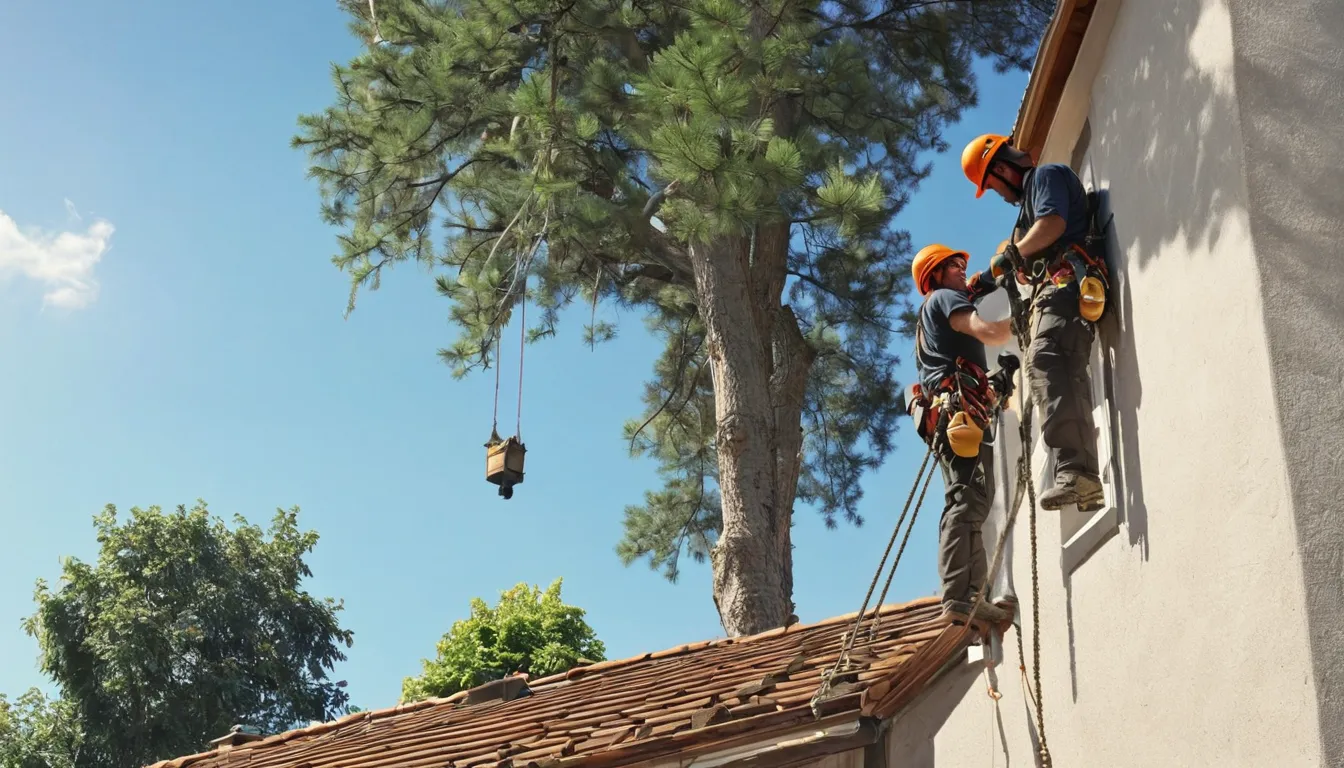
Yetartist Tree Service is a referral service. It helps you sort out a tree removal project in plain steps. First you look at the tree and your house. Next you see your options. Then you can request an estimate from independent providers in our network.
The providers do the work, not Yetartist Tree Service. That matters most for older homes, where aging roofs, past repairs and hidden pipes can change the plan. Heavy snow, hail and dry mountain air also wear on trees across the Castle Pines area. Nothing is required until you pick a provider.
First, sort your tree into one of three groups. Then choose your next step.
The tree is cracked, split, partly down, or leaning over a roof, driveway or power line. Keep people and cars away from it. Request a callback to check provider availability for emergency tree removal. If a line is down or someone is in danger, contact local emergency services first.
The tree looks healthy but sits in the wrong place. It may shade a new addition, block a driveway or crowd a fence. You have time to compare options and quotes.
Intense sun at altitude dries out wood. Heavy snow and hail crack limbs. Fast spring melt softens soil and can loosen roots. These patterns show up in tree health across the Castle Pines area.
Older homes add steps to the plan. Plan before cutting.
Tell each provider your home's age and any past repairs. Ask how they will protect the roof, lines and landscaping.
After a storm, a tree may be down, hung up in another tree, or resting on the house. Do not cut tense limbs yourself. First, take photos from a safe spot. Next, request storm tree clearance from a local provider. Many providers can respond quickly, but availability varies.
Some policies may cover sudden damage, so check your policy. Providers can often help document damage for a claim.
Removal is not the only choice. Ask the provider to price more than one path.
Size and height drive cost most. Next come access, nearby structures, power lines, tree condition and how much wood must be hauled. Rigging near an older roof takes more time. Storm damage can add complexity.
Prices vary by job. Always get a written quote and compare scope, not just the total.
Some cities protect large or older trees and ask for a permit. Homeowner associations may have rules too. Trees touching utility lines are usually handled by the utility. Check with your city office, then ask each provider what they know about local rules.
Providers in our network are independent businesses. Confirm any license your area requires.
First, walk the site with the provider. Next, check the roof, gutters and fence for marks. Then decide about the stump. Stump grinding is a separate job with its own quote. You can also keep logs for firewood or plan a replacement tree in a better spot.
Lay out your options first. Then request an estimate and compare. No obligation until you pick a provider.
A provider looks at species, lean, health and access before naming a plan or a price.
You get the scope, cleanup and haul-away details on paper, so quotes are easy to compare.
Sections can be roped down near roofs, fences and lines, which matters on older homes.
Brush chipped, wood cut up or hauled away, depending on the quote you choose.
These are typical U.S. ranges, not quotes. Real prices depend on tree size, access, nearby structures and condition. Always ask for a written quote and compare what each one includes.
| Job type | Typical range | Notes |
|---|---|---|
| Small tree (under 30 ft) | $150 – $800 | Easy access keeps it near the low end of this range |
| Medium tree (30–60 ft) | $400 – $1,500 | Lean and nearby fences can add time |
| Large tree (60+ ft) | $1,000 – $3,000+ | Often needs rigging and extra crew |
| Tree near house or lines | $800 – $3,500 | Extra care around roofs and utilities |
| Storm-damaged tree | $500 – $4,000 | Depends on how it fell and what it hit |
| Hauling and wood disposal | $100 – $600 | Sometimes included, so check the quote |
First, note the lean, dead limbs, cracks and what sits nearby, such as roofs and lines.
Next, send the form with your tree details and photos. Request a callback as backup.
Then check scope, cleanup, insurance proof and how each provider plans to protect your home.
Last, choose one, confirm the date in writing and prepare the drop zone.
See your choices and likely next steps before any provider starts work.
Aging roofs, past repairs and hidden lines get extra thought in the plan.
Local providers in our network do the work, so you can compare real quotes.
Request an estimate and decide later. Nothing is required until you choose.
Request an estimate and describe your tree. A local provider from our network will follow up. No obligation to hire.
Typical U.S. prices run from a few hundred dollars for a small tree to several thousand for a large one near a house. Access, height and condition change the total, so get a written quote.
It depends on your city, the tree size and any HOA rules. Some places protect large or older trees. Check with your city office and ask the provider what they know about local rules.
Some policies may cover sudden damage, such as a tree falling on a house. Routine removal is often not covered. Check your policy, and ask the provider to help document damage for a claim.
Request an estimate and describe your tree. A local provider from our network will follow up. No obligation to hire.
No obligation